

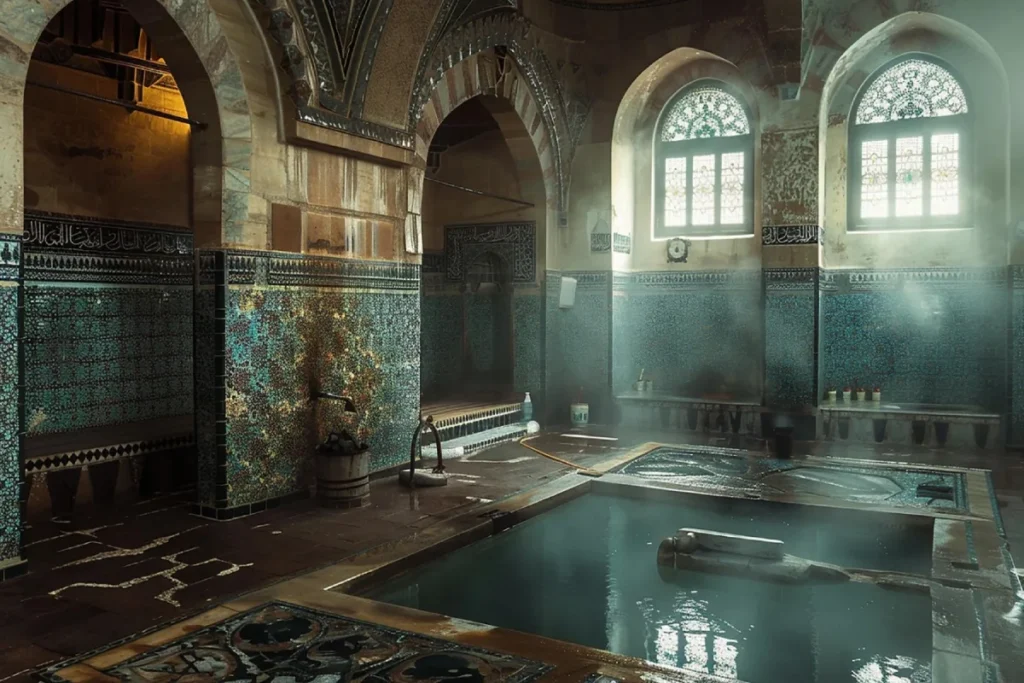
Historical Hammam in Istanbul: Experience the Timeless Turkish Bath Tradition
A historical hammam is much more than a place to bathe.
In Istanbul, the hammam represents centuries of architecture, social culture, cleansing rituals and everyday traditions shaped during the Ottoman period and carried into modern life.
For travelers who want to experience Istanbul beyond its monuments and museums, visiting a traditional hammam offers a different way to connect with the city’s heritage.
Warm marble, flowing water, traditional kese exfoliation and rich foam create a ritual that has become one of the most recognizable elements of Turkish wellness culture.
At Felicity Hammam, this tradition can be experienced in two central Istanbul locations: Old City Sultanahmet and Historical Pera Taksim.
What Is a Historical Hammam?
A historical hammam is a traditional bath inspired by the bathing culture that developed across the Ottoman world.
Hammams were designed as spaces for cleansing, relaxation and social interaction.
Their architecture commonly centered around warm interiors, marble surfaces, water basins and spaces designed to retain heat and humidity.
But the historical importance of the hammam goes beyond architecture.
For generations, hammams played a role in daily life, community traditions and personal rituals.
Today, visiting a hammam in Istanbul allows travelers to experience elements of this tradition through:
- Heated marble
- Warm water
- Traditional kese exfoliation
- Foam washing
- Relaxation
- Massage and additional wellness rituals
The result is an experience that combines history, culture and wellness.
The Hammam Tradition in Istanbul
Istanbul has been shaped by many civilizations, but the Ottoman era had an especially important influence on the city’s hammam culture.
Public baths became an important feature of neighborhoods throughout the city.
They were places where people could cleanse, gather and temporarily step away from daily routines.
The hammam eventually developed into a distinctive cultural institution.
Its marble interiors, domed architecture, warm atmosphere and flowing water became deeply associated with Ottoman urban life.
For modern travelers, this means that experiencing a historical hammam in Istanbul is not simply another spa activity.
It is an opportunity to experience a ritual connected with the social and architectural history of the city.
Why Were Hammams Important in Ottoman Culture?
Hammams historically served several purposes.
Cleansing
Regular bathing was an important part of everyday life and personal care.
The hammam provided access to warm water and bathing spaces in a period before private bathrooms became common.
Social Interaction
Hammams were also social spaces.
People could meet, talk and spend time away from work and household responsibilities.
Traditional Celebrations
Bathing rituals could also form part of important social occasions.
Different communities developed customs connected to weddings and other major life events.
Architecture and Urban Life
Many hammams were located close to mosques, markets and residential neighborhoods.
This made them part of the wider structure of Ottoman city life.
Understanding this background helps visitors appreciate why the Turkish bath is more than a wellness treatment.
What Does a Historical Hammam Look Like?
Traditional hammam architecture was carefully designed around heat, water and movement.
Although every hammam has its own character, several elements are strongly associated with the traditional experience.
Marble Interiors
Marble is one of the most recognizable materials used in hammams.
It responds well to heat and water while creating the elegant appearance associated with historic Turkish bath interiors.
Heated Central Marble
Many hammams include a heated marble platform where guests can relax before and during the bathing ritual.
The warmth helps create the distinctive atmosphere of the hammam.
Water Basins
Traditional basins allow warm and cool water to be used throughout the ritual.
Water remains central to every stage of the hammam experience.
Warm and Humid Atmosphere
The architecture is designed to maintain warmth.
This creates an environment where guests can slow down and prepare for the cleansing ritual.
What Happens During a Traditional Historical Hammam Ritual?
The traditional Turkish bath follows several stages.
Understanding them before your visit can make your first experience more enjoyable.
1. Entering the Warm Hammam
The experience begins in a warm environment.
Rather than immediately starting the treatment, guests have time to adjust to the heat.
The atmosphere is deliberately calm and unhurried.
2. Relaxing on Warm Marble
Warm marble is one of the defining features of the hammam.
Guests spend time resting and allowing the warmth to prepare the body for the traditional cleansing ritual.
3. Traditional Kese Exfoliation
The kese is a textured bathing mitt traditionally used for exfoliation.
An attendant uses the kese during the cleansing ritual to remove dead skin from the surface of the body.
This technique remains one of the most distinctive parts of the Turkish hammam experience.
4. Foam Ritual
After exfoliation comes the traditional foam treatment.
Rich soap foam is applied while the guest relaxes on warm marble.
The combination of warmth, water and foam creates one of the most memorable stages of the hammam ritual.
5. Relaxation
Once the bathing process is complete, guests can spend time relaxing.
Depending on the treatment selected, the experience may also include massage or additional wellness services.
Historical Hammam in Sultanahmet
Sultanahmet is one of the most appropriate areas in Istanbul to experience the connection between hammam culture and the city’s history.
The district forms part of Istanbul’s Historic Peninsula and is surrounded by landmarks that reflect centuries of Byzantine and Ottoman history.
Visitors exploring this area may already be visiting:
- Hagia Sophia
- Topkapi Palace
- Sultanahmet
- Sirkeci
- Historic streets of the Old City
Felicity Hammam’s Old City Sultanahmet location is positioned within this historical setting. The brand describes the location as a sanctuary in the Historical Peninsula, close to the cultural atmosphere of old Istanbul.
For travelers interested in history, pairing Old City sightseeing with a hammam experience creates a natural itinerary.
You explore Istanbul’s history outside, then experience one of its traditional rituals inside.
Historical Hammam in Pera and Taksim
Istanbul’s historical identity is not limited to the Old City.
Pera and Beyoğlu represent another important chapter in the city’s story.
During the nineteenth century, Pera developed into one of Istanbul’s most cosmopolitan districts, known for European architecture, embassies, hotels and cultural life.
Felicity Hammam’s Historical Pera Taksim location reflects this different side of Istanbul.
Rather than focusing exclusively on the Ottoman Old City atmosphere, the Pera location combines the traditional hammam ritual with the elegance and urban character of Beyoğlu.
This makes it particularly convenient for visitors staying around:
- Pera
- Taksim
- Beyoğlu
- Galata
- Istiklal Avenue
Historical Hammam vs Modern Spa
A modern spa and a traditional hammam may both provide relaxation, but the experiences are fundamentally different.
A spa may focus on treatments such as:
- Massage
- Skin treatments
- Sauna
- Beauty therapies
- Aromatherapy
A historical Turkish hammam centers around a bathing ritual involving:
- Warm marble
- Water
- Kese exfoliation
- Foam
- Heat
- Traditional cleansing
This ritual is what gives the hammam its cultural identity.
Visitors looking specifically for a historical hammam are generally seeking something that feels connected to Istanbul’s traditions rather than simply a modern wellness treatment.
Why Travelers Choose a Historical Hammam Experience
There are many ways to explore Istanbul.
You can walk through historic neighborhoods, visit palaces, enter museums or admire architecture.
A hammam offers something different.
It is experiential.
Instead of observing the city’s culture from outside, you participate in a ritual associated with Istanbul for centuries.
Cultural Connection
The Turkish bath provides a direct connection to an important part of Ottoman social culture.
Relaxation
After walking through Istanbul’s busy streets, the warm environment provides a peaceful change of pace.
Unique Travel Memory
A hammam experience is very different from visiting another attraction.
Its combination of water, marble, warmth and traditional treatment creates a distinctive memory.
Wellness and Tradition Together
The hammam combines relaxation with cultural experience in a way that few other activities can.
Is Every Old-Looking Hammam Historical?
Not necessarily.
The word “historical” can refer to several different things.
Some hammams operate inside genuinely historic buildings.
Others offer traditional Turkish bathing rituals within modern or restored environments.
For this reason, travelers should distinguish between:
- The historical age of the building
- Traditional hammam architecture
- Authenticity of the bathing ritual
- Historical atmosphere
- Modern luxury inspired by traditional hammam culture
This distinction is important when choosing your experience.
If the age or architectural history of a specific hammam building matters to you, check the property’s documented history before booking.
How to Choose a Historical Hammam in Istanbul
Choosing the right hammam depends on the type of experience you want.
Consider the Location
If your day is focused on Ottoman and Byzantine landmarks, Sultanahmet is a natural choice.
If you are exploring Beyoğlu, Galata and Taksim, Pera may be more convenient.
Look at the Ritual
Check whether the experience includes traditional hammam elements such as kese and foam.
Felicity Hammam’s traditional hammam service includes steam, kese exfoliation and foam massage as part of its core ritual.
Decide How Much Time You Want
A classic hammam ritual may be sufficient if you have a busy sightseeing schedule.
If you want a longer wellness experience, additional massage or premium treatments may be more appropriate.
Consider Privacy
Some travelers prefer a more private experience.
Private or couples options may be suitable depending on your expectations.
Historical Hammam for Couples
A hammam can also become a memorable activity for couples visiting Istanbul.
Rather than choosing another conventional sightseeing activity, couples can share a wellness experience connected with Turkish culture.
Felicity Hammam offers a Couples’ Hammam Ritual as part of its hammam services, alongside traditional, luxury and private VIP experiences.
This can be particularly appealing during:
- Honeymoon trips
- Anniversary travel
- Romantic Istanbul holidays
- Relaxed city breaks
When Is the Best Time to Visit a Historical Hammam?
The best time depends on your Istanbul itinerary.
After Sightseeing
A hammam works particularly well after several hours exploring Sultanahmet or Beyoğlu.
Late Afternoon
An afternoon hammam allows you to relax before dinner.
Evening
An evening session can provide a peaceful end to a busy day.
On a Slower Day
If your schedule is packed with attractions, consider setting aside a more relaxed day for the hammam.
Felicity Hammam currently lists its Historical Pera Taksim location as open daily from 09:00 to 23:00 and its Old City Sultanahmet location from 10:00 to 23:00.
Frequently Asked Questions About Historical Hammams
What is a historical hammam?
A historical hammam refers to the traditional Turkish bathing culture associated with Ottoman history, architecture and cleansing rituals.
What happens in a Turkish hammam?
A typical hammam experience includes warming, resting on heated marble, kese exfoliation, a foam ritual and relaxation.
Are historical hammams only found in Sultanahmet?
No. Historical hammam culture exists across Istanbul. Sultanahmet is closely associated with the Old City, while districts such as Pera also have important historical identities.
Is a hammam the same as a Turkish bath?
Yes. “Hammam” and “Turkish bath” are commonly used to describe the traditional Turkish bathing ritual.
Is a historical hammam suitable for first-time visitors?
Yes. Many visitors experience a hammam for the first time while visiting Istanbul.
Can couples experience a hammam together?
Depending on the hammam and chosen package, couples or private experiences may be available.
Discover the Historical Hammam Tradition in Istanbul
A historical hammam offers something that ordinary sightseeing cannot.
It allows you to experience Istanbul’s heritage through warmth, water, marble and ritual.
From the historical atmosphere of Old City Sultanahmet to the cosmopolitan character of Historical Pera Taksim, Istanbul offers different settings in which to discover this centuries-old tradition.
At Felicity Hammam, traditional hammam rituals such as steam, kese exfoliation and foam are combined with modern comfort, allowing visitors to experience the spirit of Turkish bath culture in the heart of the city.
For travelers looking to understand Istanbul beyond its monuments, a hammam can become one of the most memorable cultural experiences of the journey.