

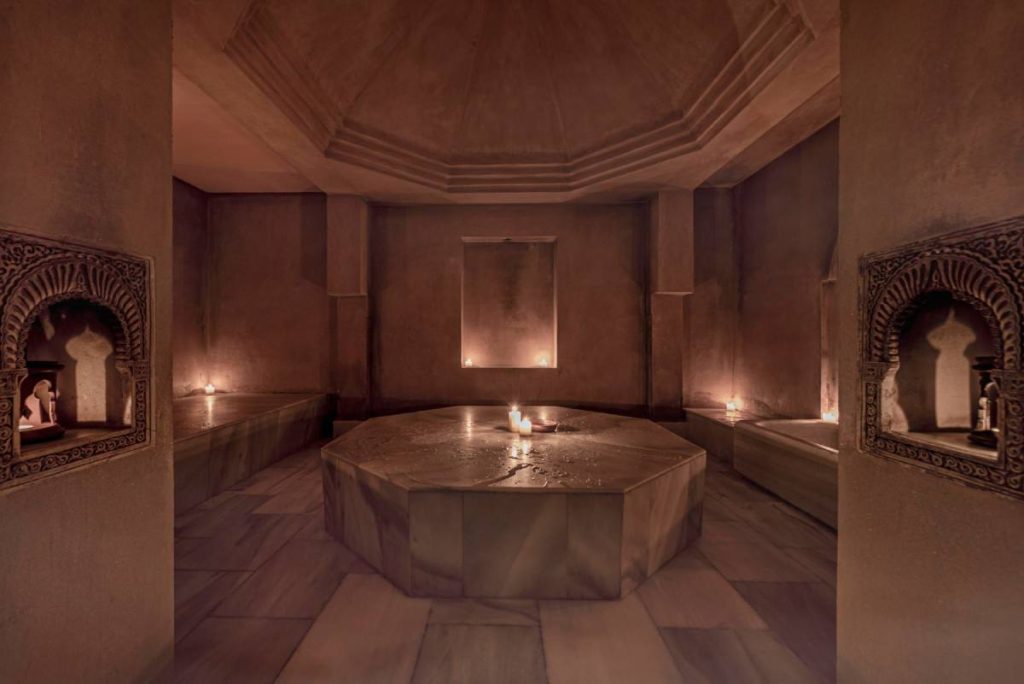
Understanding the Historical Roots of the Turkish Bath
The Turkish Bath has a rich cultural history rooted in ancient Roman and Ottoman bathing traditions. This ritual carries centuries of significance, blending purification with social connection. In contrast, modern spas are contemporary wellness centers that focus on a wide range of therapeutic treatments without the cultural foundation. When you enter a Turkish Bath, you step into a tradition shaped by history, architecture, and communal rituals, making the experience distinct from a typical spa visit.
Differences in Atmosphere and Environment
One of the most noticeable differences between a spa and a Turkish Bath is the environment. The hammam features heated marble rooms filled with steam, creating a uniquely warm and calming atmosphere. A modern spa, however, typically includes treatment rooms, saunas, whirlpools, and relaxation lounges. The immersive heat and steam in a Turkish Bath serve both therapeutic and cultural purposes, offering an ambiance that feels more traditional and ceremonial compared to the polished and structured feel of a spa.
Variations in Treatment Techniques and Rituals
The treatments in a Turkish Bath follow a specific ritual sequence that includes warming, exfoliation with a kese glove, foam bathing, and rinsing. These steps are deeply tied to historical cleansing practices. In contrast, spa treatments vary widely and may include massages, facials, aromatherapy, and hydrotherapy. The Turkish Bath emphasizes full-body cleansing and detoxification through steam and scrubbing, whereas spa treatments focus on targeted relaxation or beauty enhancement.
The Role of Attendants in Each Experience
A defining feature of the Turkish Bath is the hands-on involvement of professional attendants, traditionally known as tellak or natır. These experts guide guests through each stage of the ritual. In most modern spas, therapists provide specific services but do not guide visitors through an entire sequence of treatments. The Turkish Bath experience is more interactive and guided, emphasizing tradition and expertise, while spa sessions are generally more individualized and optional.
Differences in Wellness Benefits
The wellness benefits of a Turkish Bath center around deep cleansing, detoxification, improved circulation, and relaxation. The intense exfoliation and steam therapy provide unique advantages that differ from typical spa treatments. A spa, on the other hand, offers a broader selection of wellness services aimed at stress relief, beauty, and specific physical needs. The Turkish Bath focuses on whole-body purification and traditional practices, while spas provide personalized and specialized wellness experiences.
Cost, Duration, and Overall Experience
The cost and length of a Turkish Bath session often differ from that of a spa visit. Hammam rituals usually have a structured duration with set stages, creating a uniform experience for visitors. Spas may offer à la carte options or customizable packages. The Turkish Bath typically provides a more culturally immersive session with fixed treatments, whereas spas cater to personal preferences with flexible offerings. These distinctions shape the overall experience, making each option appealing for different wellness goals.
Conclusion
While both Turkish Baths and modern spas promote relaxation and wellness, they differ significantly in history, atmosphere, techniques, and overall experience. The Turkish Bath offers a culturally rich, traditional, and detoxifying journey, while the spa provides customizable treatments and a contemporary approach to self-care. Understanding these key differences helps visitors choose the experience that best suits their needs and preferences.
Frequently Asked Questions
Is a Turkish Bath more intense than a spa?
Yes, the exfoliation and steam can feel stronger compared to spa treatments.
Do I need to choose between a spa and a Turkish Bath?
Not necessarily; both offer different benefits depending on your wellness goals.
Are Turkish Baths suitable for beginners?
Absolutely; attendants guide you through every stage of the ritual.
Which is better for detoxification?
The Turkish Bath is generally more focused on full-body detoxification.
Is the foam massage available in spas?
Some spas offer similar treatments, but it is traditionally part of the hammam.
Do spas offer exfoliation like the Turkish Bath?
Yes, but the hammam’s kese exfoliation is usually deeper and more traditional.
Is the environment quieter in a spa?
Typically yes, whereas Turkish Baths have a more communal and steam-filled environment.
Which option is more expensive?
Prices vary, but spas often cost more due to customizable treatments.
Can I visit a spa and a Turkish Bath on the same day?
It is possible but may be overwhelming; spacing them out is recommended.
Which experience is better for relaxation?
Both offer relaxation, but the hammam provides a unique blend of heat, steam, and tradition.