

The Enduring Cultural Significance of the Turkish Bath
The Turkish Bath has long been a symbol of purification, community, and wellness. Despite the modernization of spas and wellness centers, the Turkish Bath continues to thrive because of its deep cultural roots that trace back to ancient Roman and Ottoman traditions. These bathing rituals remain beloved not only for their cleansing benefits but also for the historical connection they provide. Today’s hammams preserve these cultural values, offering visitors an authentic experience shaped by centuries of heritage.
The Traditional Architecture and Design of Hammams
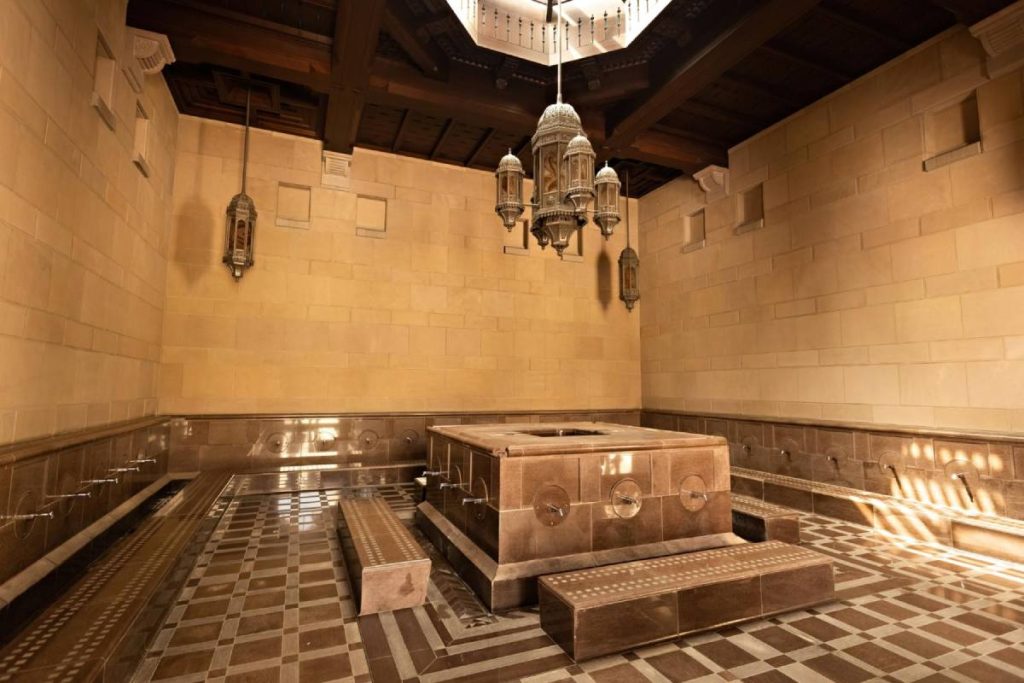
A key tradition that continues to define the Turkish Bath experience is its unique architectural structure. The domed ceilings, heated marble platforms, and intricate tilework found in classic hammams are designed to enhance warmth, acoustics, and relaxation. These architectural elements remain essential because they support the functionality of the Turkish Bath, creating an environment where steam, heat, and cleansing rituals unfold naturally. This iconic design remains a powerful link to the past.
The Authentic Kese Exfoliation Ritual
Among the most cherished traditions of the Turkish Bath is the kese exfoliation ritual. Using a rough mitt made of natural fibers, attendants scrub the body to remove dead skin cells and stimulate circulation. This tradition has survived for centuries because of its incredible health benefits and transformative results. The Turkish Bath exfoliation ritual is both invigorating and cleansing, making it a defining moment of the hammam experience that visitors eagerly anticipate.
The Luxurious Foam Bathing Tradition
Another beloved tradition of the Turkish Bath is the foam bathing ritual. This technique uses a cotton pouch filled with soap to create large, silky bubbles that gently cascade over the body. The soothing warmth and luxurious feel of the foam remain an essential part of the hammam tradition. In the Turkish Bath, this ritual symbolizes relaxation, purity, and indulgence, helping guests unwind and fully immerse themselves in the experience. Its long-lasting popularity highlights its timeless appeal.
The Role of Attendants in Preserving Tradition
Trained attendants play a vital role in maintaining the authenticity of the Turkish Bath. Historically known as tellaks or natırs, these professionals guide visitors through each stage of the ritual with expertise and care. Their presence ensures that the Turkish Bath traditions are passed down through generations. Their skillful hands not only perform the exfoliation and foam rituals but also uphold the cultural standards of hospitality, cleanliness, and community that define the hammam experience.
Social Rituals and Community Connections
Beyond cleansing rituals, the Turkish Bath has always been a social space where people gather to relax, converse, and strengthen bonds. This sense of community is a tradition that continues to thrive today. Whether friends, family members, or travelers, guests share the experience of warmth and relaxation in the Turkish Bath. The communal environment fosters meaningful connections and makes the hammam more than a simple spa treatment—it becomes a cultural and social ritual.
Conclusion
The traditions of the Turkish Bath have endured for centuries because they offer a rare blend of cultural heritage, wellness, and human connection. From architectural design and exfoliation rituals to social gatherings and the expertise of attendants, each element contributes to a timeless experience. These thriving traditions ensure that the Turkish Bath remains a cherished ritual for generations to come.
Frequently Asked Questions
Are Turkish Baths still traditional today?
Yes, many hammams preserve classic architecture and rituals while offering modern comforts.
Is the kese exfoliation always included?
Most traditional sessions include it, but some packages allow customization.
Do attendants still perform treatments?
Absolutely; trained tellaks and natırs continue to guide the rituals.
Are men and women separated?
Historically yes, and many hammams still maintain separate sections or hours.
Is the foam bath a traditional part of the ritual?
Yes, foam bathing has been practiced for generations and remains a guest favorite.
Do modern hammams look like historical ones?
Many do. They often maintain domed ceilings, marble platforms, and warm chambers.
Can tourists experience authentic Turkish Bath traditions?
Yes, most well-known hammams offer authentic rituals for visitors.
Is the atmosphere still communal?
In many places, yes. Some modern hammams also offer private options.
Are Turkish Baths suitable for first-time visitors?
Definitely; attendants guide guests through every step of the ritual.
Do the traditions vary by region?
Slightly, but the core rituals remain consistent across Turkey.