

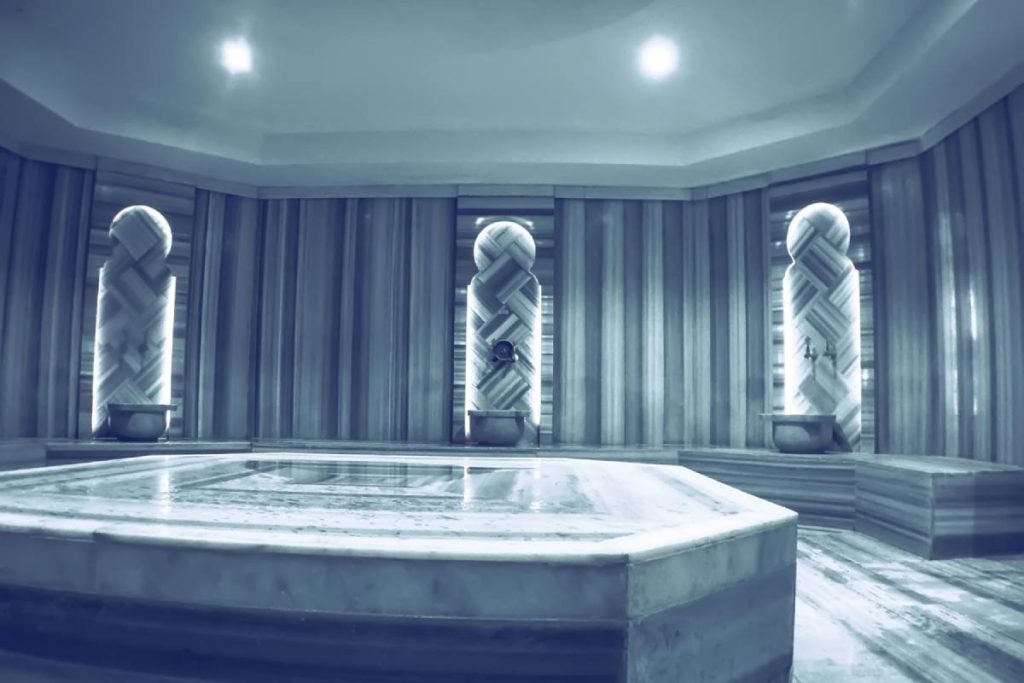
Understanding the Cultural Roots of the Turkish Bath
For newcomers, learning proper etiquette begins with understanding the cultural significance of the Turkish Bath. Rooted in centuries-old Ottoman traditions, the Turkish Bath is more than a spa experience—it is a place of cleansing, community, and relaxation. Respecting this cultural heritage helps visitors approach the ritual with mindfulness and appreciation. By embracing the historical context, beginners can feel more comfortable and confident as they step into this timeless wellness practice.
What to Wear and How to Prepare Before Entering
Preparing for a Turkish Bath includes knowing what to wear and what to bring. Most hammams provide a peshtemal towel, slippers, and soap, though some visitors choose to wear swimwear for comfort. When entering the Turkish Bath, it is polite to avoid heavy perfumes, lotions, or oils, as they can affect the cleansing process. Keeping your belongings minimal and following staff guidance ensures a smooth and respectful experience.
Respecting Privacy and Personal Space Inside the Hammam
Inside the Turkish Bath, maintaining personal space and respecting the privacy of others is essential. The environment is meant to be peaceful and comfortable for all guests. While the Turkish Bath may have shared spaces, it is important to remain mindful of noise levels and avoid intrusive behavior. Understanding these boundaries contributes to a relaxing atmosphere and helps maintain the integrity of the cultural tradition.
Following the Guidance of Hammam Attendants
Beginners should know that the Turkish Bath experience is often guided by professional attendants, known as tellaks or natırs. Following their instructions is both respectful and essential for safety. These experts understand the rhythm and flow of the Turkish Bath ritual, ensuring that each stage—from warming to exfoliation to rinsing—is carried out properly. Trusting their expertise contributes to a smoother and more enjoyable session.
Maintaining Cleanliness and Proper Behavior
One of the core expectations in a Turkish Bath is cleanliness. Visitors should rinse off before entering heated areas and avoid bringing footwear or personal items onto the marble surfaces. Cleanliness also extends to behavior: keeping conversations quiet, respecting shared facilities, and treating attendants courteously. By practicing proper conduct throughout the Turkish Bath experience, guests help preserve the tranquility and order of the hammam environment.
Tipping Etiquette and Post-Bath Customs
A final aspect of etiquette for beginners involves tipping customs in the Turkish Bath. While not mandatory, tipping attendants is considered a polite gesture to acknowledge their work. After completing the Turkish Bath, it is customary to rest in the cooling room, hydrate, and take a moment to enjoy the sense of relaxation. Observing these customs ensures a respectful and fulfilling experience from start to finish.
Conclusion
Understanding Turkish Bath etiquette helps beginners feel confident and comfortable from the moment they enter the hammam. By respecting cultural traditions, following attendant guidance, and observing proper behavior, visitors can fully enjoy the cleansing and relaxation this timeless ritual offers. With the right approach, the Turkish Bath becomes not only a wellness treatment but also a meaningful cultural experience.
Frequently Asked Questions
Do I need to wear a swimsuit?
It is optional; most hammams provide a peshtemal towel for modesty.
Is talking allowed inside the hammam?
Yes, but conversations should be quiet and respectful.
Should I shower before the bath?
A quick rinse is usually encouraged before entering the warm area.
Can I bring personal toiletries?
Yes, though most hammams provide soap and other basics.
Is tipping expected?
Tipping is not required but is appreciated for good service.
Can I visit the Turkish Bath alone?
Absolutely; many people visit solo and feel comfortable.
Are phones allowed inside?
Most hammams discourage phone use to protect privacy and maintain tranquility.
How long does a typical session last?
Usually between 45 and 90 minutes depending on the treatments.
Is the environment co-ed?
Many hammams have separate sections for men and women.
What if I feel uncomfortable during exfoliation?
Inform the attendant, and they will adjust the pressure or technique.