

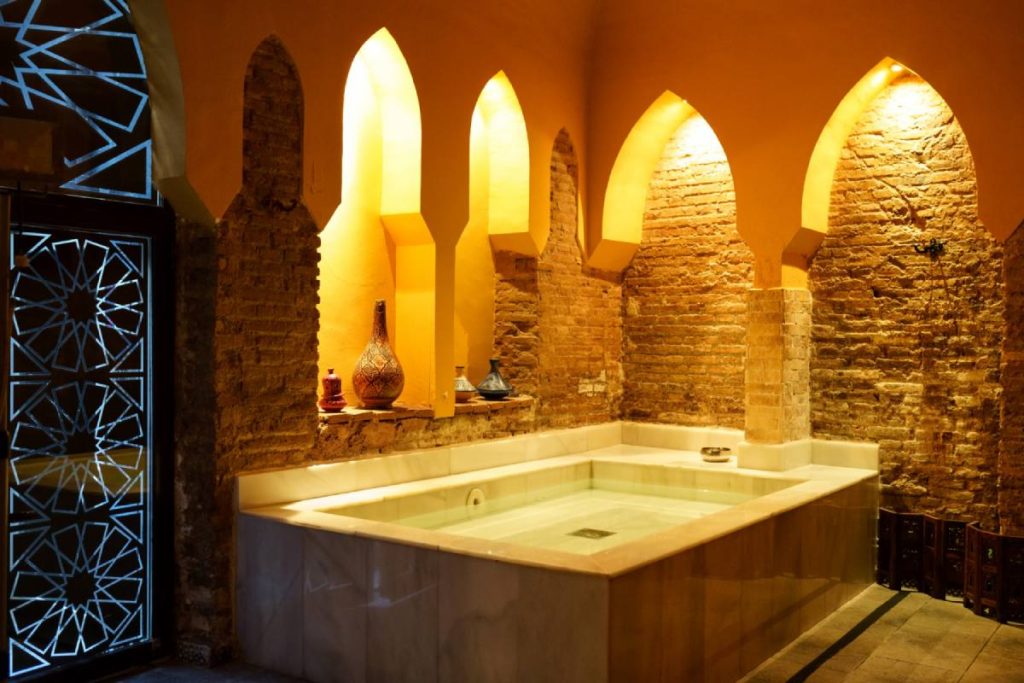
Understanding the Origins of the Turkish Bath
Stepping into a traditional hammam is more than experiencing a simple spa treatment; it is entering a centuries-old cultural practice. The Turkish Bath has roots that trace back to the Roman and Byzantine bathing traditions, yet it evolved uniquely during the Ottoman era. Today, the Turkish Bath remains an iconic symbol of purification, relaxation, and cultural enrichment.
For first-time visitors, understanding where this ritual comes from helps deepen the sense of connection to the space, the people, and the experience itself.
Preparing for Your First Turkish Bath Visit
Before arriving, it is helpful to know what to expect, especially if you have never experienced a Turkish Bath before. Most hammams provide essentials like towels, slippers, and traditional peshtemals. However, bringing personal items such as swimwear or a change of clothes can make the visit more comfortable.
In many locations, the Turkish Bath begins with a warm relaxation period, allowing your body to adjust to the environment. This preparation helps enhance the detoxifying and restorative qualities of the ritual, ensuring a smoother and more enjoyable experience.
The Warming Room Experience
The first step inside a Turkish Bath takes you into a warm room known as the “warm chamber,” a space designed to open pores and prepare the skin for cleansing. This gentle heat helps the body relax, promoting mental calmness as well. As the warmth surrounds you, the Turkish Bath environment encourages deep breathing, enabling visitors to release stress and settle into the welcoming atmosphere.
This stage is essential for easing into the ritual, allowing the heat to soften the skin before exfoliation begins.
The Traditional Exfoliation Ritual
One of the most memorable parts of the Turkish Bath experience is the exfoliation, performed using a rough glove known as the “kese.” The therapist works methodically to remove dead skin cells, revealing a softer and brighter complexion. This stage not only enhances physical cleanliness but also leaves many visitors feeling rejuvenated both physically and emotionally.
The Turkish Bath exfoliation ritual is known for its invigorating nature, offering a unique blend of tradition and therapeutic benefits that few other spa treatments can match.
The Famous Foam Massage Ritual
After exfoliation, guests enter the soothing phase of the Turkish Bath experience: the foam massage. The therapist creates clouds of luxurious bubbles using a cotton pillowcase filled with soap. These bubbles are then poured over the body, forming a silky, fragrant layer that enhances relaxation.
During this stage of the Turkish Bath, the gentle massage techniques help improve circulation, reduce muscle tension, and promote an overall sense of well-being. Many guests consider this the highlight of their hammam visit.
Post-Bath Relaxation and Rehydration
The final part of the Turkish Bath ritual focuses on unwinding and rehydrating the body. After the treatments, guests are guided to a cool room where they can rest, sip traditional herbal tea, and allow the body to return to a normal temperature.
This moment of calm is an essential component of the Turkish Bath, helping seal in the therapeutic benefits of the experience. Reflecting on the journey from heat to exfoliation to foam massage, visitors leave feeling refreshed, lighter, and fully revitalized.
Conclusion
Experiencing a Turkish Bath for the first time is both a cultural and wellness journey. From the origins of the ritual to the warming chamber, exfoliation, and foam massage, each stage is designed to promote deep relaxation and purification. Whether you seek detoxification, skin renewal, or a glimpse into traditional Turkish culture, a hammam visit offers a timeless and unforgettable experience.
Frequently Asked Questions
Do I need to bring anything?
Most hammams provide essentials, but bringing personal swimwear or a change of clothes is recommended.
Is a Turkish Bath painful?
The exfoliation can feel intense but should not be painful; inform your therapist if uncomfortable.
How long does the experience take?
A full ritual typically lasts between 45 and 90 minutes.
Can I visit a Turkish Bath alone?
Yes, visiting alone is common and perfectly comfortable.
Is the Turkish Bath suitable for sensitive skin?
Yes, but communicate any concerns to the staff so they can adjust the treatment.
Do men and women bathe together?
Most traditional hammams have separate sections or alternating hours.
Should I tip the therapist?
Tipping is customary and appreciated in most hammams.
Can I take photos inside?
Generally no, due to privacy rules; always ask for permission.
What should I wear inside?
Typically a peshtemal towel is provided and worn during the ritual.
How often should I visit a Turkish Bath?
Many guests enjoy it monthly, but it can be experienced as often as desired.